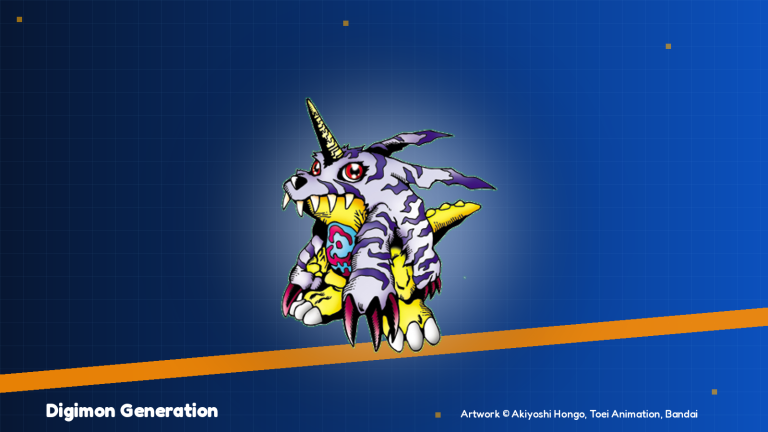
Digimon Story Time Stranger Digimon list with pictures
Digimon Story: Time Stranger (PS5, Xbox Series X|S and PC via Steam, released 3 October 2025, developed by Media.Vision for Bandai Namco) ships with more than 450 Digimon, the biggest roster any Digimon Story game has ever had. The cast runs from In-Training up to Mega and pulls in every Royal Knight, every one of the Seven Great Demon Lords and, for the first time in a Story game, the full Olympos XII. This page breaks that roster down by level and by faction, explains how you actually add each Digimon to your Field Guide, and flags the handful of story Digimon that make this game’s list unlike any other.
The short version
You get Digimon in Time Stranger by scanning them in battle, by digivolving the ones you already own, and by DNA digivolution for a few special Megas. The roster is built on the same In-Training to Mega ladder as Cyber Sleuth, so if you played those games you will recognise most of the lines, but the count is up by more than a hundred, and the extra bodies are not filler. The Olympos XII arrive as a complete set because the Digital World in this game, Iliad, is their home turf, and the plot centres on Aegiomon, the partner of heroine Inori Misono, whose own digivolution line is tied to that pantheon.
The authoritative count lives in your in-game Field Guide. Bandai Namco’s own figure is “over 450”, and that is the number to trust until you have scanned every entry yourself.
How the roster is organised
Time Stranger uses the English level names throughout: In-Training, Rookie, Champion, Ultimate and Mega. If you grew up with the Japanese terms, those map to Baby II (Child in-training), Child, Adult, Perfect and Ultimate, which is why English fans sometimes trip over “Ultimate” meaning two different things. In this game, and on this page, Ultimate is the stage below Mega.
Every Digimon also carries one of four attributes. Vaccine beats Virus, Virus beats Data, Data beats Vaccine, and Free sits outside the triangle without a weakness or an advantage. That triangle is a Story-series rule, carried over from Cyber Sleuth and Hacker’s Memory, and it decides a surprising amount of your damage once you reach the endgame. Each Digimon has an element on top of that (Fire, Plant, Water, Electric, Wind, Earth, Light, Dark or Neutral), and attribute plus element together is what the “weakness” indicator in battle is reading.
Tamer tip
Sort your Field Guide by attribute rather than by level once you pass the halfway point of the story. A balanced squad with one Vaccine, one Data and one Virus Digimon on the front line will almost always have something to exploit, which matters far more than raw level when you hit a boss with a Free attribute.
How to get Digimon in Time Stranger
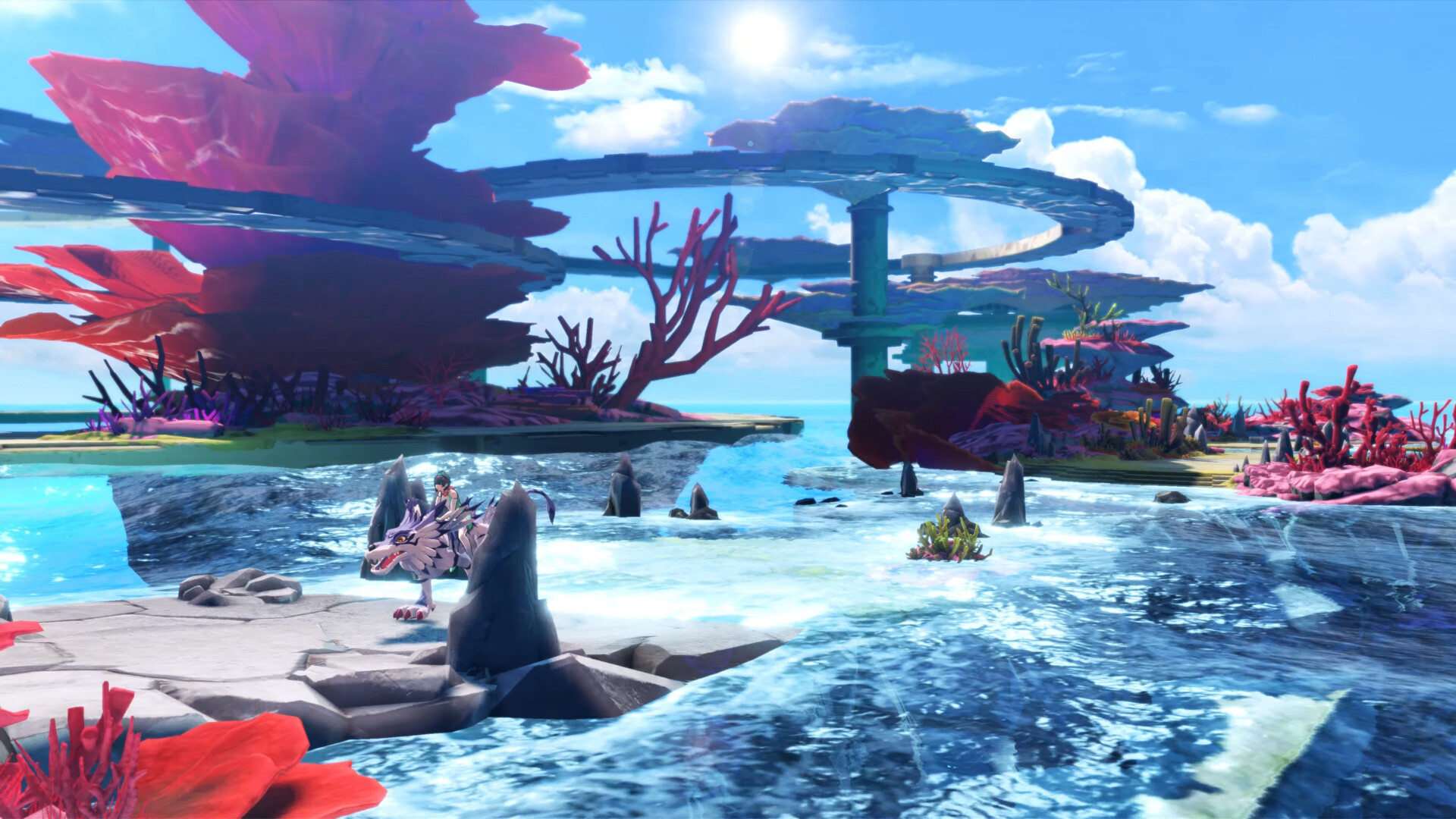
Scanning is the core loop. Every wild Digimon you fight raises its scan percentage in your Field Guide. Once a Digimon reaches 100 percent you can convert it into a party member from the lab menu, and it joins at level 1 with its base stats. You do not need to “catch” anything mid-battle, and you can scan the same species repeatedly, so a Digimon you fight often in one dungeon will fill its gauge fast.
How to add a new Digimon to your party in Digimon Story: Time Stranger
- Encounter the Digimon in the field and finish the battle (fleeing still counts for scan progress).
- Repeat encounters until the Field Guide shows 100 percent for that species.
- Open the lab menu and convert the scanned data into a new party Digimon.
- Digivolve or de-digivolve it to reach forms you have not scanned yet.
Digivolution is the second route and the one that fills most of your list. Each Digimon has a tree with several possible next forms, and each branch has requirements, usually a level threshold plus one or more stat minimums, occasionally an item. You see the exact requirement on the digivolution screen, so there is no guesswork. De-digivolution lets you drop a Digimon back a stage and climb a different branch, which is how one Agumon can eventually log Greymon, GeoGreymon, Tyrannomon and every other Champion in its tree.
The third route is DNA digivolution (Jogress in Japanese). Two specific Digimon fuse into one new Mega. The pairings in Time Stranger follow the lines the anime established, so Omnimon still needs WarGreymon and MetalGarurumon, and Paildramon still needs ExVeemon and Stingmon.
Digimon by level
Below is the roster broken down by level. I have listed the Digimon you are guaranteed to meet because they anchor the lines every player passes through, plus the notable newcomers for this game. Treat this as the backbone of the list rather than a full 450-name dump; the long tail of Champions and Ultimates is enormous, and your Field Guide will show you every gap.
In-Training
The In-Training tier is small and functional. These are the forms you get when you de-digivolve a Rookie all the way down, and they exist mainly so you can respec a Digimon’s growth and raise the stats that feed later requirements.
Koromon, Tsunomon, Tokomon, Nyaromon, DemiVeemon, Gigimon, Gummymon, Kokomon, Viximon, Yaamon, Motimon, Tanemon, Yokomon, Bukamon, Pagumon, Minomon, Poromon, Upamon, Wanyamon, Budmon, Sunmon and Moonmon all return. The last two matter more than their size suggests: they open the Coronamon and Lunamon lines, which lead into Apollomon and Dianamon respectively, and those two Olympos XII members are among the first Megas most players earn in this game.
Rookie
Rookies are where the list gets wide. Every partner Digimon from Adventure, 02, Tamers, Data Squad and Frontier’s partner-style additions is present, and the lab lets you start from any of them once scanned.
The Adventure set is complete: Agumon, Gabumon, Patamon, Biyomon, Tentomon, Palmon, Gomamon and Salamon (Plotmon). From 02 you get Veemon, Hawkmon, Armadillomon and Wormmon. Tamers brings Guilmon, Terriermon, Lopmon, Renamon, Impmon and Monodramon. Data Squad supplies Gaomon, Lalamon and Falcomon. Beyond the anime partners there are Coronamon, Lunamon, Bearmon (Kumamon), Kotemon, Dorumon, Hackmon (Huckmon), Dracomon, Elecmon, Gotsumon, Goblimon, Keramon, Hagurumon, Betamon, DemiDevimon, Candlemon, Mushroomon, Floramon, Tsukaimon, ToyAgumon, Kunemon, Kamemon, Commandramon, BlackAgumon and BlackGabumon, plus Lucemon at his Rookie stage and Aegiomon, the story partner.
Bearmon is a good example of why this roster feels different from Cyber Sleuth. It was a starter in Digimon World 3 and has been absent from Story games for years. In Time Stranger it leads into a beast-themed line, and because it is a Vaccine Rookie with high physical growth, it is a solid early pick if you want a melee attacker before your Agumon reaches Greymon.
Champion
The Champion tier is the biggest single block in the Field Guide. Expect to spend more time here than anywhere else, both because there are so many and because wild Champions are what you fight for most of the first half of the game.
The anime core is all here: Greymon, Garurumon, Angemon, Birdramon, Kabuterimon, Togemon, Ikkakumon, Gatomon (Tailmon), ExVeemon, Aquilamon, Ankylomon, Stingmon, Growlmon, Gargomon, Kyubimon, Wendigomon, Gaogamon, Sunflowmon, Peckmon, Firamon, Lekismon, Grizzlymon, Dorugamon, BaoHackmon and Aegiochusmon in its colour variants. Around them sit the classic Adventure “monster of the week” Champions, including Devimon, Leomon, Ogremon, Kuwagamon, Shellmon, Seadramon, Meramon, Numemon, Sukamon, Bakemon, Guardromon, Tyrannomon, Veedramon, Gekomon, Vegiemon, Kokatorimon, Frigimon, Mojyamon, Unimon, Centarumon, Drimogemon, Flymon, Starmon, Wizardmon, IceDevimon, Dokugumon, Cyclonemon, GeoGreymon, Coredramon (Blue and Green), Dobermon and Raremon.
Shellmon deserves a mention because it had been missing from the Story games entirely. Its return, alongside Parrotmon, suggests the development team deliberately went back through the original Adventure episode list and filled the holes, which is exactly what long-time fans asked for after Hacker’s Memory.
Ultimate
Ultimates are where your team identity settles. Most Digimon have two or three Ultimate branches, and the one you pick usually locks in which Megas you can reach without de-digivolving.
The partner Ultimates: MetalGreymon, WereGarurumon, MagnaAngemon (HolyAngemon), Garudamon, MegaKabuterimon (AtlurKabuterimon), Lillymon, Zudomon, Angewomon, Paildramon, Silphymon, Shakkoumon, Dinobeemon, WarGrowlmon, Rapidmon, Taomon, Antylamon, MachGaogamon, Lilamon, Crowmon (Yatagaramon), Flaremon, Crescemon, DoruGreymon and SaviorHackmon. The villain and wildcard Ultimates include Myotismon (Vamdemon), Andromon, Etemon, Mamemon, MetalMamemon, Monzaemon, WaruMonzaemon, Digitamamon, Phantomon, Megadramon, Gigadramon, SkullGreymon, Vademon, Parrotmon, Okuwamon, MegaSeadramon, Pumpkinmon, Blossomon, Kimeramon, LadyDevimon, Piximon, Datamon, Mistymon, Cherrymon, Panjyamon, Knightmon, Grademon, Meteormon, Garbagemon, ShogunGekomon, Cyberdramon, RizeGreymon, MetalTyrannomon, Whamon, Wisemon and Lucemon Chaos Mode (Falldown Mode).
Parrotmon is the Digimon from the very first Digimon Adventure short film, the one that fought Greymon over the Highton View Terrace apartment block. Seeing it in a 2025 game’s Field Guide with a full digivolution tree is a small thrill for anyone who started with that film.
Mega
The Mega tier is where Time Stranger’s roster earns its size. Beyond the expected partner Megas, three complete factions are present, and that is what pushes the list past 450.
Partner Megas: WarGreymon, MetalGarurumon, Omnimon (Omegamon), Seraphimon, Phoenixmon (Hououmon), HerculesKabuterimon, Rosemon, Vikemon, Ophanimon, Magnadramon (Holydramon), Imperialdramon in Dragon Mode, Fighter Mode and Paladin Mode, Gallantmon (Dukemon), MegaGargomon (SaintGalgomon), Sakuyamon, Beelzemon, Cherubimon, Justimon, ShineGreymon, MirageGaogamon, Rosemon Burst Mode and Ravemon.
Villain and legacy Megas: Machinedramon (Mugendramon), Piedmon, Puppetmon (Pinocchimon), MetalSeadramon, VenomMyotismon, MaloMyotismon (BelialVamdemon), Diaboromon, BlackWarGreymon, Boltmon, Pharaohmon, Darkdramon, Dorugoramon, Kuzuhamon, PlatinumNumemon, PrinceMamemon, GranKuwagamon, HiAndromon, Valkyrimon, Gaiomon (Samudramon), Titamon and the Four Sovereigns Azulongmon (Qinglongmon), Zhuqiaomon, Ebonwumon (Xuanwumon) and Baihumon.
Then the factions, each covered in its own section below: all thirteen Royal Knights (counting Omnimon and Alphamon’s alternate forms), all Seven Great Demon Lords, and all twelve Olympos XII.
The Olympos XII: the faction this game is built around
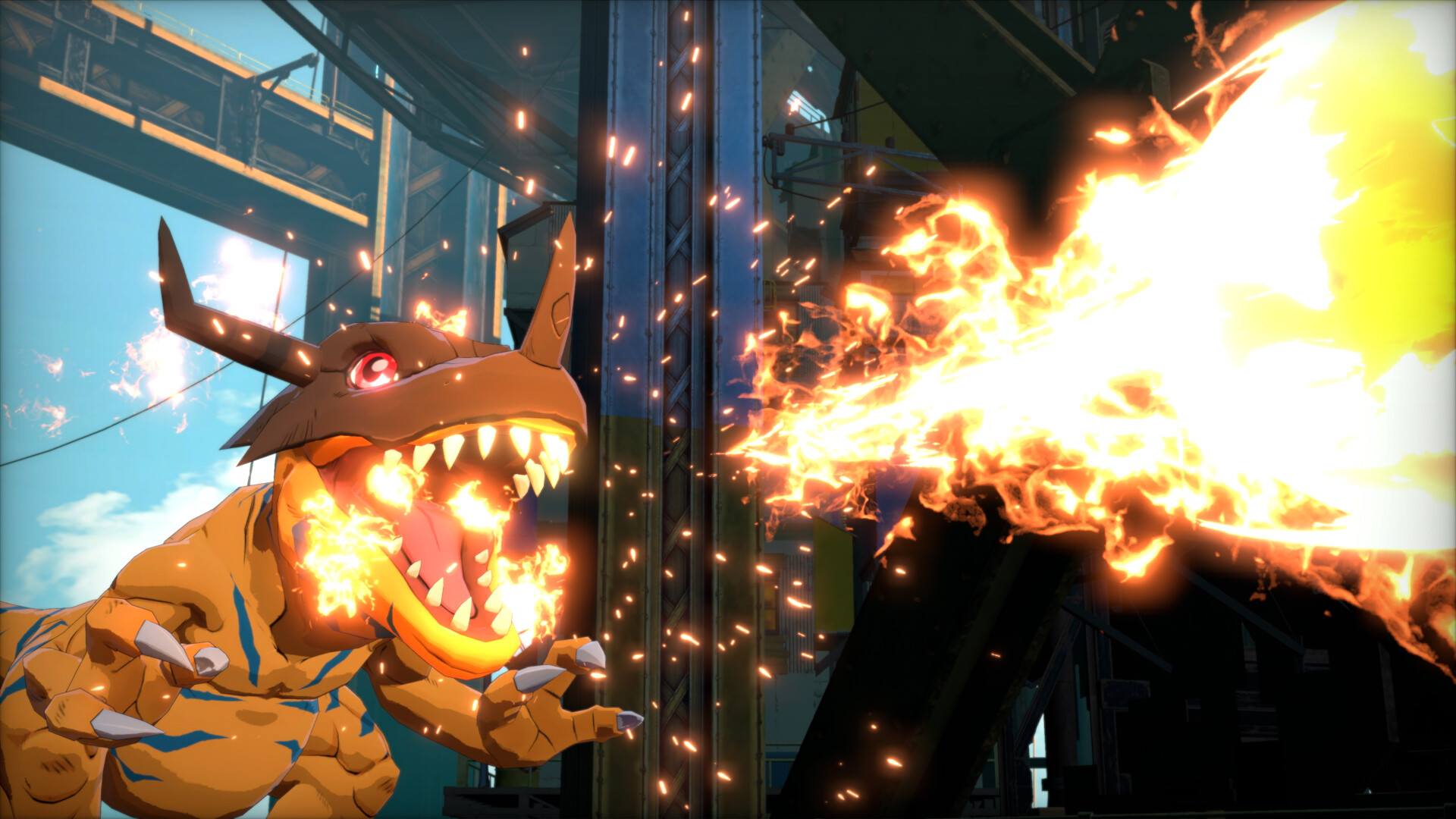
Iliad, the Digital World of Time Stranger, is governed by the Olympos XII, the pantheon of Mega Digimon modelled on the Roman gods. Earlier Story games included a few of them (Dianamon and Minervamon were long-time Cyber Sleuth favourites), but this is the first time the complete set has been playable in one Story title, and several of them have story roles.
| Digimon | Japanese name | Level | Domain |
|---|---|---|---|
| Apollomon | Apollomon | Mega | Sun |
| Dianamon | Dianamon | Mega | Moon |
| Jupitermon | Jupitermon | Mega | Thunder, head of the Twelve |
| Junomon | Junomon | Mega | Marriage and the heavens |
| Marsmon | Marsmon | Mega | War |
| Minervamon | Minervamon | Mega | Wisdom and war |
| Mercurymon | Mercuremon | Mega | Messenger, speed |
| Neptunemon | Neptunemon | Mega | Sea |
| Vulcanusmon | Vulcanusmon | Mega | Forge, weapon-smith |
| Bacchusmon | Bacchusmon | Mega | Wine and revelry |
| Ceresmon | Ceresmon | Mega | Harvest |
| Plutomon | Plutomon | Mega | Underworld |
Note the Mercurymon here is the Olympos XII member, not the Frontier Warrior of Steel; the two share an English name but are different Digimon, and the Olympos one is written Mercuremon in Japanese. Keep that in mind when you are searching your Field Guide.
Apollomon is the easiest Olympos XII member to earn early because its line starts with Coronamon, a Rookie you can scan in the opening areas. Its sister line, Lunamon through Lekismon and Crescemon to Dianamon, is equally accessible. If you want one of the Twelve on your team before the midgame without grinding exotic requirements, these two are the routes to take.
Vulcanusmon is the one to watch in the plot. As the forge-god of the Twelve it is the maker of the Olympos XII’s weapons, and the game leans on that role. Junomon has two forms in the wider franchise, the standard form and Hysteric Mode; only the former is what you should expect to find as a standard scan target, and the game’s digivolution screen is the final word on how, or if, the second form is handled.
The Royal Knights
All of the Royal Knights are in the list, which is the first time a Story game has managed the full group in one release. Here is the set with the Japanese names and the detail most relevant to actually obtaining them.
| Digimon | Japanese name | Attribute | How you typically reach it |
|---|---|---|---|
| Omnimon | Omegamon | Vaccine | DNA: WarGreymon + MetalGarurumon |
| Alphamon | Alphamon | Vaccine | Dorumon line (Dorugamon, DoruGreymon) |
| Gallantmon | Dukemon | Virus | Guilmon line (Growlmon, WarGrowlmon) |
| Magnamon | Magnamon | Free | Veemon line, treated as a Mega-tier form |
| UlforceVeedramon | UlforceV-dramon | Vaccine | Veemon, Veedramon, AeroVeedramon |
| Jesmon | Jesmon | Data | Hackmon, BaoHackmon, SaviorHackmon |
| Dynasmon | Dynasmon | Virus | Dragon and knight Ultimates |
| Crusadermon | LordKnightmon | Virus | Knightmon and related Ultimates |
| Craniamon | Craniamon | Vaccine | Knight-type Ultimates |
| Leopardmon | Duftmon | Data | Beast-knight Ultimates |
| Kentaurosmon | Sleipmon | Vaccine | Beast and holy Ultimates |
| Examon | Examon | Data | Dracomon, Coredramon, Wingdramon or Groundramon |
The Veemon line is the most valuable single Rookie in the game for a Royal Knights collector. From one scanned Veemon you can reach Magnamon, UlforceVeedramon and Imperialdramon’s three modes, and through the Paildramon DNA route you get there without touching a second starter line.
Magnamon is technically an Armor-level Digimon in the anime and the Reference Book, born from the Digi-Egg of Miracles, but Story games have always placed it in the Mega slot because the Armor level does not exist in their stat system. Time Stranger follows that convention. Its Free attribute makes it the one Royal Knight with no type weakness, which is why it stays useful into the postgame even after stronger Megas arrive.
Jesmon is the youngest Royal Knight in the lore and the trainee of Gankoomon, who is also in the roster. Its entire line is a single straight road from Hackmon, and because each stage is a Data Digimon with strong attack growth, it is one of the smoothest lines in the game for players who want a Royal Knight without building a complex tree.
How to get Omnimon in Digimon Story: Time Stranger
- Raise an Agumon through Greymon and MetalGreymon to WarGreymon.
- Raise a Gabumon through Garurumon and WereGarurumon to MetalGarurumon.
- Level both Megas until the DNA digivolution option unlocks on the digivolution screen.
- Select DNA digivolution with WarGreymon as the base and MetalGarurumon as the partner.
- Scan the result, then de-digivolve if you want to keep both halves for other lines.
The game also includes Omnimon’s shadow. Omnimon Zwart (Omegamon Zwart) is the black-armoured variant, and Omnimon Zwart Defeat (Omegamon Zwart D) is the corrupted version that figures into the story.
Zwart Defeat is a Virus Digimon rather than a Vaccine like regular Omnimon, which is a nice bit of design logic: it is Omnimon’s power turned against the Digital World’s order. Treat it as a late-game target, and do not expect the regular Omnimon route to lead there.
The Seven Great Demon Lords
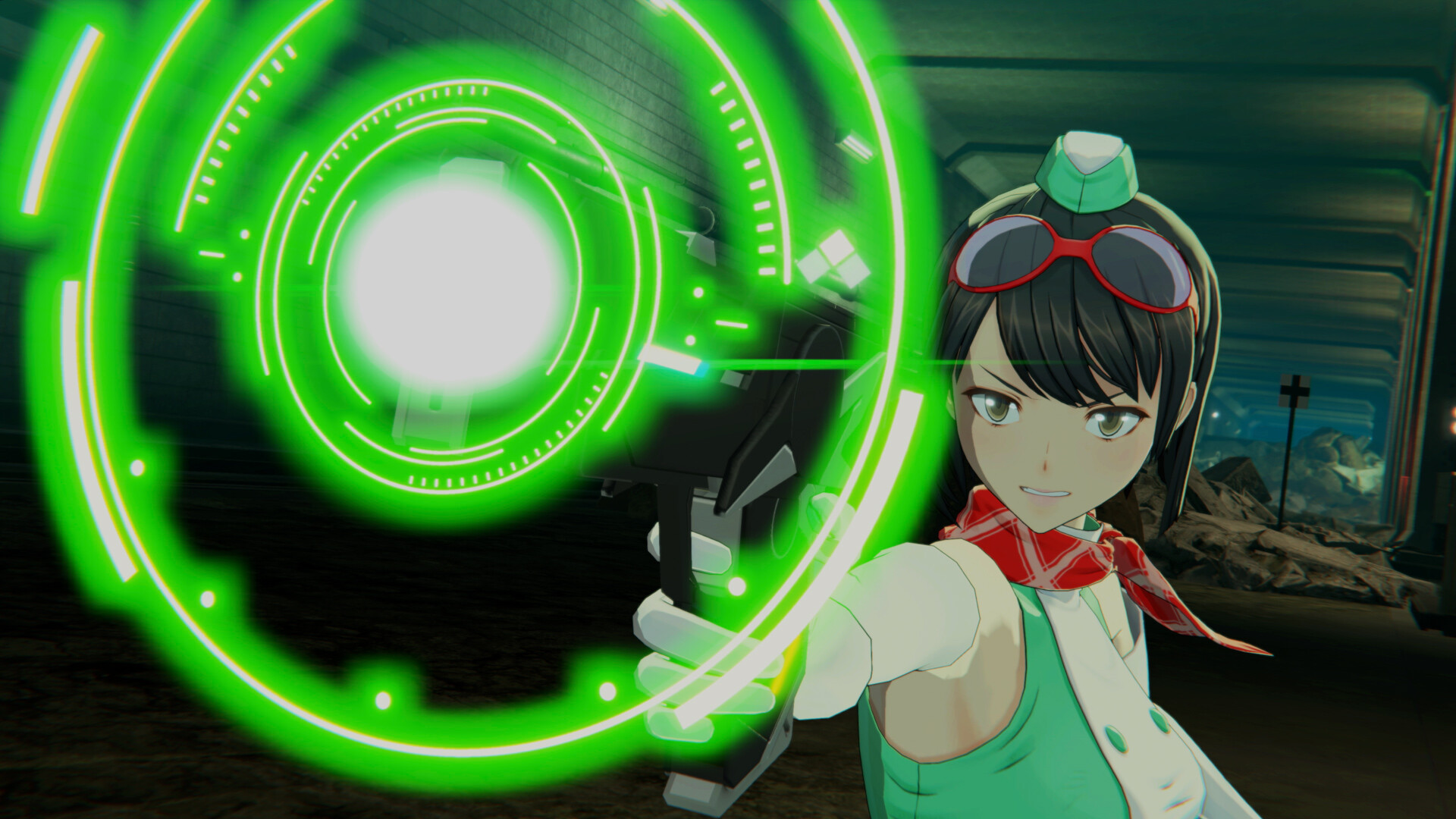
Every Demon Lord is present, and every one of them is a Virus Mega, which makes a Vaccine-heavy party the obvious counter when you run into them in the story or the postgame.
| Digimon | Japanese name | Attribute | Sin |
|---|---|---|---|
| Lucemon Shadowlord Mode | Lucemon Satan Mode | Virus | Pride |
| Leviamon | Leviamon | Virus | Envy |
| Daemon | Daemon | Virus | Wrath |
| Belphemon Rage Mode | Belphemon Rage Mode | Virus | Sloth |
| Barbamon | Barbamon | Virus | Greed |
| Beelzemon | Beelzebumon | Virus | Gluttony |
| Lilithmon | Lilithmon | Virus | Lust |
Lucemon is the odd one out because its line starts at Rookie. The angelic Rookie Lucemon is a Vaccine, Lucemon Chaos Mode at Ultimate flips to Virus, and the Mega Shadowlord Mode is the Demon Lord proper. Belphemon has a Sleep Mode as well as Rage Mode, and Beelzemon has a Blast Mode; which alternate modes are separate Field Guide entries is something to check in your own guide rather than assume.
Lilithmon is the Demon Lord most players end up using, partly because she is a magic attacker in a tier dominated by physical hitters and partly because the LadyDevimon route to her is short. Beelzemon is the other favourite, reachable through Impmon’s line just as in Tamers, and his Blast Mode is one of the best Virus damage dealers in the game.
Story Digimon unique to Time Stranger
A few Digimon on this list are here because of the plot, and they are the ones you cannot look up in older Story guides.
Aegiomon and Aegiochusmon
Aegiomon is the Rookie partner of Inori Misono, the heroine who travels with your ADAMAS agent. Its Champion stage, Aegiochusmon, exists in several colour variants in the franchise (Blue, Green, Dark and Holy among them), each with its own element, and the game uses those as branches rather than cosmetic swaps. Because Aegiomon’s design is drawn from the same Greek and Roman myth pool as the Olympos XII, its line is the thread that ties your human-world story to Iliad’s gods.
Parallelmon
Parallelmon is a Digimon that moves between parallel worlds, and it first appeared in the Digimon Adventure PSP game in 2013, where it was the reason the Chosen Children’s story could split into alternate routes. A game about time travel pulling in the one Digimon whose whole gimmick is crossing worldlines is not a coincidence. It is one of the most interesting inclusions on the list and a strong reason to pay attention to the plot rather than skipping cutscenes.
Titamon
Titamon is the giant that the Olympos XII lore sets up as their natural enemy, the Titan to their gods. In a game set in Iliad that pairing writes itself, and Titamon is among the roster’s Virus Megas you will want a Vaccine answer for.
DNA digivolution list
DNA digivolution in Time Stranger follows the anime pairings. These are the fusions you will use most, drawn straight from Digimon Adventure, 02 and Tamers.
| Result | Base Digimon | Partner Digimon | Anime origin |
|---|---|---|---|
| Omnimon | WarGreymon | MetalGarurumon | Our War Game! (2000) |
| Paildramon | ExVeemon | Stingmon | Digimon Adventure 02 |
| Silphymon | Aquilamon | Gatomon | Digimon Adventure 02 |
| Shakkoumon | Ankylomon | Angemon | Digimon Adventure 02 |
Imperialdramon Dragon Mode digivolves from Paildramon normally rather than through a second fusion, and Fighter Mode and Paladin Mode follow from there. Beyond these, the game includes a number of non-anime DNA results; check each Mega’s “digivolves from” panel in your Field Guide, which lists DNA requirements separately from standard ones.
Ridable Digimon
Time Stranger adds a traversal feature the earlier Story games did not have: in open field areas you can ride on the back of certain large Digimon from your party to move faster. The option is tied to Digimon of a suitable size, which in practice means Champions and above with a quadruped or mount-style body. It does not change combat, and it is not a separate collection category, but it does make the bigger Iliad zones noticeably quicker to cross, so once you have a ridable Digimon scanned it is worth keeping one in the active party purely for travel.
Living Dex checklist: the fastest way to 100 percent
Completing the Field Guide is the real endgame for most Story players, and with 450-plus entries you want a system. This is the order I use, because it front-loads the lines with the most branches.
Tamer tip
Never evolve your only copy of a Rookie straight to Mega. Keep one Rookie permanently at base and use the lab to duplicate before each branch; one Agumon de-digivolved and re-digivolved five times logs more Field Guide entries than five Megas sitting in storage.
- Scan every Rookie in the early areas to 100 percent, even the ones you will never use. Each is a root into a different part of the tree.
- Work the Adventure partner lines first. Agumon, Gabumon, Patamon, Biyomon, Tentomon, Palmon, Gomamon and Salamon between them touch well over a hundred entries once you count the alternate Champion and Ultimate branches.
- Run the Veemon line next for Magnamon, UlforceVeedramon, Paildramon and Imperialdramon.
- Coronamon and Lunamon for Apollomon and Dianamon, your first two Olympos XII.
- Impmon for Beelzemon, Dorumon for Alphamon, Hackmon for Jesmon, Dracomon for Examon.
- Fill the Demon Lords and the rest of the Royal Knights through their Ultimate gateways.
- Finish with the remaining Olympos XII, Titamon, the Four Sovereigns and the story-only Megas, which have the highest requirements.
Group tallies make this easier to track. Twelve Olympos XII, thirteen Royal Knights including Alphamon’s and Omnimon’s variants, seven Demon Lords, four Sovereigns and three Imperialdramon modes are 39 Megas you can tick off as discrete sets before you even open the long list of individual legacy Megas.
Japanese name crosswalk
Time Stranger uses the English names in its Western release, but a lot of community resources and the official Japanese site use the originals. These are the renames that cause the most confusion when you are cross-referencing a list.
| English name | Japanese name |
|---|---|
| Gatomon | Tailmon |
| Salamon | Plotmon |
| Bearmon | Kumamon |
| Hackmon | Huckmon |
| Omnimon | Omegamon |
| Gallantmon | Dukemon |
| MegaGargomon | SaintGalgomon |
| Beelzemon | Beelzebumon |
| Myotismon | Vamdemon |
| Machinedramon | Mugendramon |
| Puppetmon | Pinocchimon |
| MagnaAngemon | HolyAngemon |
| Magnadramon | Holydramon |
| Crusadermon | LordKnightmon |
| Leopardmon | Duftmon |
| Kentaurosmon | Sleipmon |
| Mercurymon (Olympos XII) | Mercuremon |
| Azulongmon | Qinglongmon |
| Ebonwumon | Xuanwumon |
How this list compares with Cyber Sleuth
Cyber Sleuth: Complete Edition topped out at 341 Digimon across both games, and that was already generous. Time Stranger’s jump to more than 450 comes from three places. First, the complete factions: Olympos XII, Royal Knights and Demon Lords with no absentees. Second, the return of first-generation Adventure Digimon that had been skipped for years, Shellmon and Parrotmon being the obvious examples. Third, newer lines like Bearmon and the story Digimon that did not exist in the Cyber Sleuth model set.
What stayed the same is the structure. Levels, attributes, the scan-and-convert loop and DNA digivolution all work the way veterans expect, so a Cyber Sleuth “digimon evolution chart” still gives you a rough map even where the exact requirements differ. Just do not carry over stat numbers: Time Stranger rebalanced growth, and the thresholds on the digivolution screen are the only figures that count.
For a fuller picture of the game beyond its roster, the site’s “digimon story time stranger” overview covers the story setup, the ADAMAS agency and the Tokyo-to-Iliad premise. And if you want to understand why so many of these Digimon have two or three different Mega forms depending on the medium, the “digimon evolution” explainer walks through how digivolution rules shift between anime, games and the card game.
FAQ
How many Digimon are in Digimon Story: Time Stranger?
Bandai Namco’s official figure is over 450, which makes it the largest roster in the Digimon Story series by a wide margin. Cyber Sleuth: Complete Edition had 341.
Are all the Royal Knights in Time Stranger?
Yes. Omnimon, Alphamon, Gallantmon, Magnamon, UlforceVeedramon, Jesmon, Dynasmon, Crusadermon, Craniamon, Leopardmon, Kentaurosmon and Examon are all obtainable, along with Omnimon Zwart and the story-linked Omnimon Zwart Defeat.
Are all twelve Olympos XII playable?
Yes, and this is the first Story game to include the complete pantheon. Apollomon and Dianamon are the easiest to earn through the Coronamon and Lunamon lines; the rest come later as their requirements are steeper.
Does Time Stranger have DNA digivolution?
It does. The anime pairings are all present, including Omnimon from WarGreymon and MetalGarurumon and Paildramon from ExVeemon and Stingmon, and the digivolution screen lists DNA requirements separately from normal ones.
What is Parallelmon doing in the game?
Parallelmon is a Mega that travels between parallel worlds. It shows up in Time Stranger as a story Digimon connected to the plot’s time-travel premise.
Is Aegiomon a new Digimon?
No, Aegiomon and its Champion form Aegiochusmon existed in the Digimon Reference Book before this game. What is new is its role: it is the partner of heroine Inori Misono and sits at the centre of the story.
Is the roster connected to the new anime?
Only by timing. Digimon Beatbreak began airing the same month Time Stranger launched, but the two projects have separate casts; if you are curious about the TV side, the site’s “digimon beatbreak” guide covers it.